
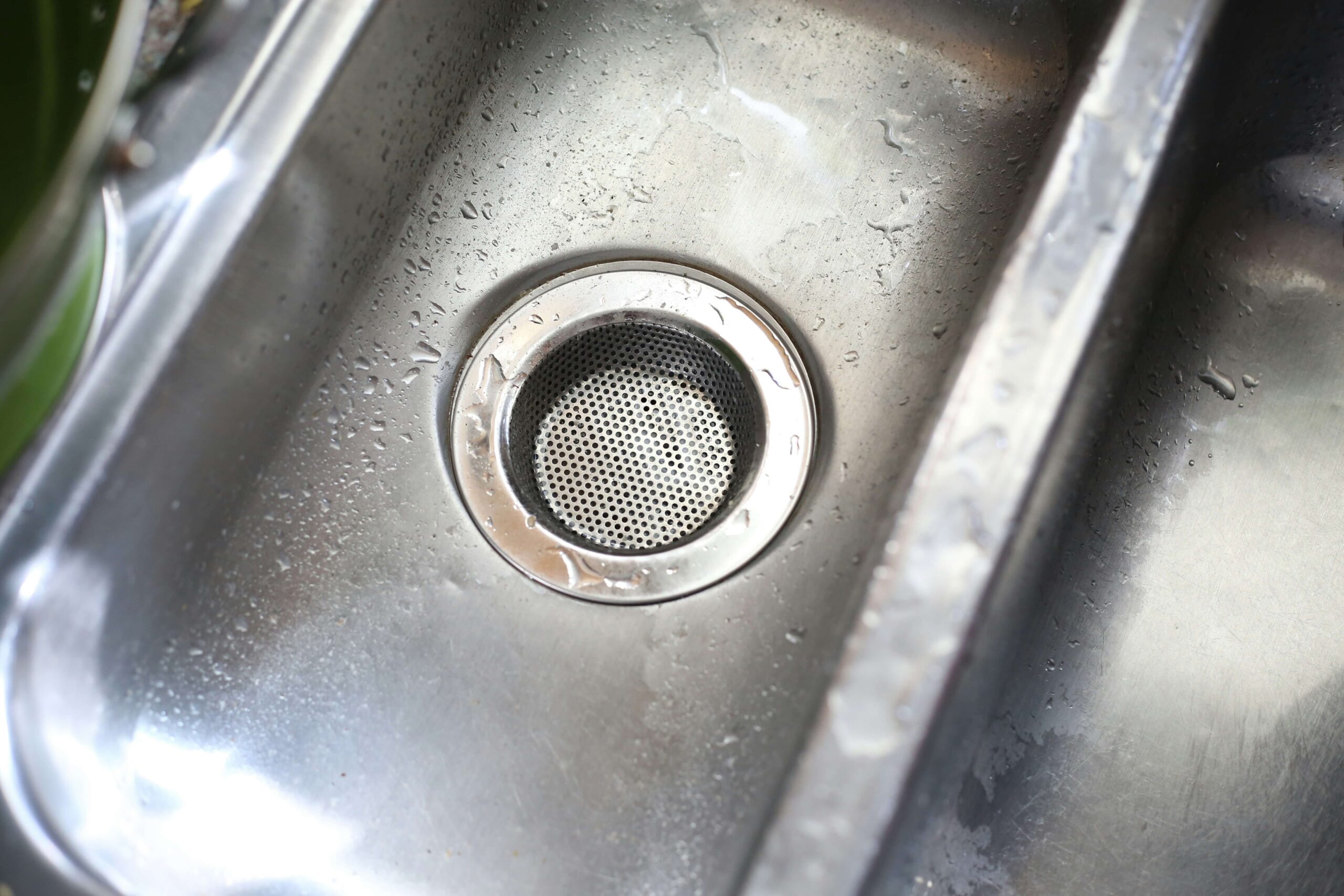
5 Ways to Unclog Your Drain (without a plumber!)
If your sink has decided to stop cooperating with you, you’re not alone. At Cleanify, we’re not plumbers, but we’ve seen our fair share of clogged sinks and slow drains while cleaning homes in our Southwestern corner of the UK.
A blocked drain is one of those small domestic dramas that can turn an ordinary day into a mildly chaotic one. The good news is that most blockages are simple to sort out with a bit of patience and a few household basics.
What’s actually blocking your drain
Before you start poking around, it helps to know what you’re up against. Most blockages fall into a few familiar categories.
Kitchen sinks often get clogged with grease, oil, food scraps and the odd bit of coffee grounds. Bathroom sinks usually collect hair, soap scum and toothpaste. Showers and baths are hair magnets. Outdoor drains get overwhelmed with leaves, mud and whatever the British weather has blown in that week.
If only one drain is misbehaving, it’s usually a local blockage you can tackle yourself. If several drains are backing up at once, that’s a sign of something deeper in the system, and if that’s the case, sorry folks, you might want a professional to take a look at that.
1: Boiling water
This is the classic first step. Simple, quick and surprisingly effective.
Boil a full kettle and pour it slowly down the drain in stages. Give it a moment between pours so the heat can work through any grease or soap build‑up. This works best on mild blockages and everyday gunk.
2: Baking soda and vinegar
If you enjoy a bit of kitchen‑cupboard sorcery, this one is for you.
Pour half a cup of baking soda down the drain, followed by half a cup of white vinegar. Cover the drain and let it fizz for ten to fifteen minutes. Finish with a flush of boiling water. This helps break down grime and leaves things smelling fresher.
3: The plunger
A plunger is still one of the most reliable tools for unblocking a drain.
Fill the sink or bath with enough water to cover the rubber cup. Place the plunger over the drain and plunge firmly up and down for twenty to thirty seconds. If you hear a satisfying glug, you’ve cracked it.
4: The hands‑on approach
Not glamorous, but often the quickest fix.
Put on rubber gloves, remove the drain cover and pull out any hair or debris sitting near the top. It’s not the most delightful job, but it can solve the problem instantly.
5: Checking the U bend
If you’re feeling confident, you can check the U bend under the sink.
Place a bowl underneath, unscrew the connectors and remove the curved pipe. Clear out any trapped debris, reattach it and run the tap to check for leaks. If this feels a bit too DIY for your liking, skip it. No judgement here.
6. Salt and hot water
If boiling water alone hasn’t quite done the job, adding salt gives it a bit more bite. Pour a generous amount of table salt straight into the drain, leave it for a couple of minutes, then follow with a kettle of hot water. The salt helps scrub away grease and grime, and the heat carries it all through the pipes. It is simple, cheap and surprisingly effective.
7. Baking soda and salt
If you are not a fan of the vinegar smell, this is a good alternative. Mix equal parts baking soda and salt, tip the mixture down the drain and leave it for at least half an hour. Finish with hot water. The combination helps break down residue and loosen whatever is clinging to the inside of the pipes. It is not as dramatic as the vinegar version, but it works quietly in the background.
8. The coat hanger trick
This one is very DIY, but it has saved many a slow‑draining sink. Straighten out a wire coat hanger and bend a small hook at one end. Remove the drain cover and gently fish around for hair or debris. It is not glamorous and you may find things you would rather not think about, but it can clear a blockage sitting just out of reach. Just be gentle so you do not scratch the inside of the pipe.
9. Using a drain snake
If you happen to own a drain snake, now is the time to bring it out. Feed it slowly into the drain until you feel resistance, then twist and pull to dislodge the blockage. It is a step up from the coat hanger and can reach deeper into the pipe. If you do not have one, do not feel you need to rush out and buy it. Most blockages clear long before this stage.
When it’s time to call a professional
If you’ve tried the usual tricks and the drain is still refusing to behave, the blockage may be deeper in the pipework. It could be a build‑up that needs specialist equipment, a collapsed section of pipe or even tree roots. That’s when it’s worth calling someone who deals with this every day.
How to prevent future blockages
A few small habits can save you a lot of hassle.
Avoid pouring oil or grease down the sink. Use drain strainers to catch hair and food. Run boiling water down your kitchen sink once a week. Don’t flush wipes or cotton pads, even if the packaging claims they’re flushable. Clean your plugholes regularly before they turn into a problem.
Need a hand?
While we’re not plumbers, we’ve been in enough homes to know when a drain is about to cause trouble. If you’d rather skip the DIY or your drain is being particularly stubborn, our team can point you in the right direction or help you find the right professional. We’ve seen it all, so nothing will surprise us.

Danielle is the editorial lead behind our cleaning guides, drawing on years of experience within the UK cleaning business. She specialises in turning real-world cleaning know‑how into simple, practical advice anyone can follow. Her goal is to help readers feel confident, capable, and equipped to keep their homes running smoothly. Danielle’s guides are written for anyone who wants to clean smarter, not harder.


